The answer depends on your stage, goals, and long-term vision, but personal websites generally deliver stronger results for serious creators focused on growth and monetization, while link-in-bio tools excel for beginners and those seeking quick simplicity. Most successful creators ultimately use both strategically.
Understanding the Fundamental Difference
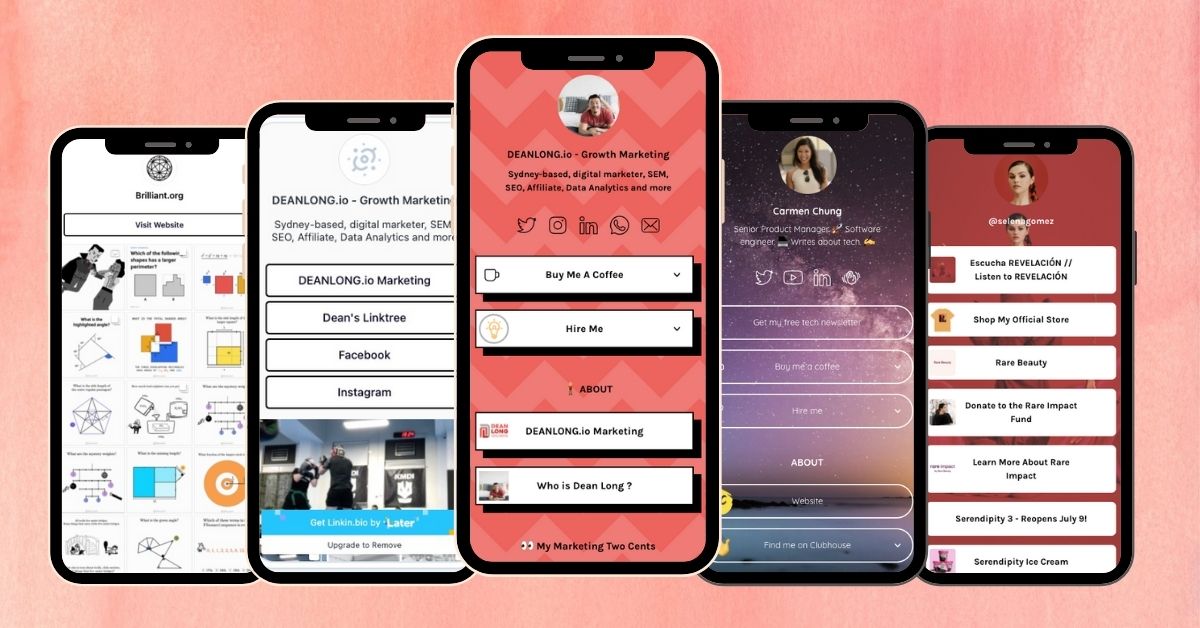
A link-in-bio tool (like Linktree, Direct.me, or Beacons) is a third-party landing page that lives on someone else’s domain. You add its URL to your social profiles, and it displays all your links in one place. A personal website is a standalone property you own, hosted on your own domain, giving you complete control over design, content, and functionality.
Key Performance Advantages of Personal Websites
Search Engine Optimization (SEO) Authority
Link-in-bio tools fundamentally harm your SEO growth. When followers click your Linktree link, the click and traffic authority go to Linktree’s domain, not yours. This means Google sees Linktree as the popular resource, not you. Meanwhile, every visitor to a personal website strengthens your domain authority and signals popularity to search engines, helping you rank for your own name and niche keywords. When potential clients or fans Google your name, a personal website helps you appear with more authority and credibility.
Analytics and Conversion Tracking
Link-in-bio tools provide surface-level analytics. Basic plans show only click counts, while detailed metrics like conversion rates, visitor behavior, and entry points remain locked behind premium subscriptions. Personal websites integrated with Google Analytics give you complete visitor journey data—which links people click, where they drop off, bounce rates, and actual conversion rates. This intelligence is essential for optimizing your funnel over time. You own this data; you don’t depend on a platform’s reporting.
Monetization Flexibility
Personal websites unlock diverse revenue streams that link-in-bio tools cannot fully support. You can sell digital products, offer memberships, run online courses, process payments directly, and integrate affiliate systems without platform restrictions. Link-in-bio tools are beginning to add e-commerce, but they remain limited compared to a dedicated website with full control over payment processing and customer data.
Professional Credibility
A custom domain (yourname.com) builds significantly more trust than a generic URL (linktree.com/yourname). Research shows 77% of consumers trust websites with custom domains more than generic ones. For creators monetizing through coaching, courses, or services, this trust difference directly impacts conversion rates. Your audience perceives you as an established professional, not someone using a temporary redirect service.
Advantages of Link-in-Bio Tools
Speed and Simplicity
Link-in-bio pages launch in under 10 minutes with zero technical knowledge required. No hosting, domain registration, or website building skills needed. For creators just starting out, this removes friction and lets you focus on content creation instead of setup.
Mobile-First Design
Most link-in-bio tools are purpose-built for mobile with fast load times (under 2 seconds) and intuitive navigation. While websites can be mobile-optimized, specialized tools have this baked in by default.
Modern Features
Top platforms now include AI-driven layout generation that cuts design time by 60%, machine learning optimization that improves engagement placement automatically (75% of platforms now use this), and built-in monetization like tip jars and subscriptions without additional tools.
No Maintenance Burden
You don’t manage hosting, updates, or security patches. The platform handles everything while you focus on content.
The Monetization Reality Check
Link-in-bio tools have become increasingly sophisticated for selling. Platforms like Beacons, Koji, and Taplink now offer integrated e-commerce, membership subscriptions, and direct payment processing. This matters because creators often don’t need a full website—they need a conversion funnel. Modern tools bridge this gap better than they did even two years ago.
However, you still face fundamental limitations: you don’t own your customer data, you’re subject to platform policies and pricing changes, and you’re essentially renting access to your audience.
User Experience and Click-Through Differences
Link-in-bio pages that become cluttered with too many links (5+ links) create decision fatigue and higher bounce rates. A personal website lets you create focused, strategic landing pages instead—different pages for different audiences and purposes. This architectural flexibility improves conversions because each visitor follows a clearer path.
Branding Impact
Custom domains with branded links increase click-through rates by up to 39% compared to generic platform links, and they help avoid spam filters on social platforms. Every time someone sees yourname.com/links, you’re reinforcing your brand. Every time they see linktree.com/yourname, you’re advertising someone else’s platform.
Platform Risk and Control
Link-in-bio tools can face outages, raise prices without warning, or shut down entirely—leaving creators with no recourse. A notable example: in July 2018, Instagram accidentally marked all Linktree links as spam, causing an overnight crisis for creators. Your website, under your control, doesn’t face this risk. You own the platform, the data, and the customer relationships.
The Optimal Strategy for Most Creators
Rather than choosing one approach, the most successful creators use both: Use a link-in-bio tool as your primary social bio link for convenience and mobile optimization, but ensure it either uses a custom domain (eliminating the third-party branding) or links to a secondary landing page on your personal website. This hybrid approach lets you maintain a dedicated website for SEO, authority building, and long-form content, while funneling social traffic through a fast, optimized landing page.
For example, link your Instagram bio to a clean landing page—either a custom-domain link-in-bio tool or a dedicated /links page on your website—that prominently features your most important conversion goals (email signup, course, booking calendar). Then ensure that page links to your full website where people can access blog content, portfolio work, and additional resources.
Which Should You Actually Choose?
Choose link-in-bio tools if: You’re a complete beginner with no website, you want to launch in minutes, you value simplicity over customization, or you’re testing social growth without long-term investment.
Choose personal websites if: You’re serious about building authority, you plan to monetize significantly, you want complete control over branding and data, you need detailed analytics, or you’re building a long-term personal brand (creator, coach, consultant, freelancer).
Choose both if: You’re serious about sustainable growth—use a link-in-bio tool or landing page as your social funnel, but maintain a website as your owned digital home base for blog content, portfolio, and deeper SEO authority.
The critical insight from creator best practices is that your link in bio is your highest-intent audience moment—it’s where followers decide to take action. Treating it as a disposable link shortener underutilizes its power. Whether you use a link-in-bio tool or a personal website, design this funnel intentionally with conversion as the primary goal, not just link distribution.