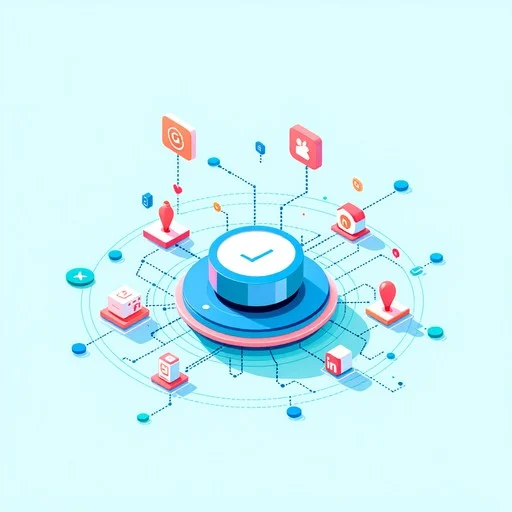
The creator economy has fundamentally shifted. While social media platforms once promised unlimited reach and opportunity, a growing movement of successful creators is moving in the opposite direction—building their own digital hubs as the centerpiece of their business strategy. This isn’t a trend; it’s a necessary evolution for creators who want to build sustainable, profitable, and independent careers.
The Crisis of Platform Dependency
The most compelling reason creators need a digital hub is simple: you don’t actually own your audience on social media platforms. When you build an entire business around Instagram, TikTok, or YouTube, you’re essentially renting space on someone else’s property with rules that change at a moment’s notice.
Consider the harsh realities creators face today. Platforms like Instagram have fundamentally transformed from community-building tools into pay-to-play advertising networks. Even with a million followers, only a fraction of your audience sees your posts unless you invest in promotions. Meanwhile, creators lack access to the most valuable asset: their followers’ contact information. You can’t directly reach your audience via email or phone—the platform controls all direct communication.
The financial burden is staggering. Creators are “spending more to reconnect with their existing audience” rather than growing new followers, meaning platform costs are rising while effective reach declines. To make matters worse, algorithm changes can devastate a creator’s income overnight. More than a third of creators report negative financial impacts from algorithm changes, with 26% experiencing significant financial stress.
The Entrepreneurial Shift
The data tells a powerful story: 59% of creators now identify as entrepreneurs, up from 50% the previous year. These aren’t content creators in the traditional sense—they’re business owners who use social media as a distribution channel rather than their primary revenue source.
This shift has tangible financial benefits. Entrepreneurial creators earn 25% more than their social-media-dependent peers. Some have built seven-figure businesses with fewer than 20,000 social followers by leveraging their own digital platforms. The difference is simple: when you own your platform, you own your revenue.
Traditional creator revenue streams—brand deals, platform payouts, and affiliate marketing—are in steep decline. Brand deal income alone is down 52% year-over-year. Meanwhile, revenue from owned channels and digital products continues to grow exponentially. This isn’t coincidence; it’s creators deliberately building sustainable businesses independent of platform volatility.
Building Real Ownership and Control
A digital hub gives you what social platforms never will: complete ownership of your audience, content, and data. When creators build their own websites or platforms, they gain access to critical information about their audience—names, email addresses, engagement patterns, and preferences—that platforms actively withhold.
This ownership transforms how you can monetize. Instead of waiting for platform payouts that may never arrive, you can:
Establish direct communication channels through email and SMS, which are not subject to algorithm restrictions and offer reliable reach. Unlike social media, email isn’t affected by changing policies or account suspensions.
Create diversified revenue streams including memberships, digital products, online courses, and exclusive content subscriptions. Creators using integrated membership platforms earn 200% more than those relying on single platforms.
Maintain complete creative control without worrying about algorithm favorability or platform policy changes. You’re free to experiment, innovate, and build content that aligns with your values rather than what the platform dictates.
Access valuable first-party data about your audience that you can use to make informed business decisions, improve content strategy, and build increasingly loyal communities.
The Competitive Advantage of a Content Hub
For brands and creators alike, a centralized digital hub becomes a competitive differentiator. A content hub consolidates your work—articles, videos, guides, podcasts, and products—in one searchable location that’s optimized for search engines.
This has immediate practical benefits. Your content becomes discoverable through Google and other search engines, not just through platform algorithms. A creator with a website becomes searchable by potential followers, clients, and collaborators who are actively looking for your expertise.
Content hubs also build credibility. While a social media profile is temporary and algorithm-dependent, a professional website signals legitimacy and professionalism. This credibility translates into trust, which directly impacts your ability to sell products, attract brand partnerships, and build meaningful relationships with your audience.
The Case for Platform Resilience
The smartest creators aren’t abandoning social media entirely—they’re using it strategically while building platform-resilient businesses. This approach gives you access to the discovery potential of algorithms without the risk of platform dependency.
The model works like this: use social platforms to attract audiences and drive traffic to your owned digital hub, where the real relationship and monetization happens. Your podcast, email list, and membership community remain under your control regardless of what happens on TikTok, Instagram, or any other platform.
This is why successful creators like Megan Sumrell built a 7-figure business with less than 20,000 social followers by developing her own app, which became her “secret weapon”. Another creator, Nicki Bianco, generates consistent $300,000+ monthly revenue through her own platform rather than depending on social media algorithms.
Building Your Foundation
Starting your digital hub doesn’t require technical expertise. Modern website builders like Squarespace, Wix, WordPress, and Webflow make it accessible for creators of all skill levels. The investment is modest compared to the returns.
The first step is establishing direct communication channels with your audience. Build an email list—it’s the most underrated asset in the creator economy. Email provides a direct line to your audience that can’t be taken away by algorithm changes or policy shifts.
From there, layer in monetization through memberships, digital products, or exclusive content. The combination of owned audience, direct communication, and diversified revenue creates a sustainable business that’s genuinely yours.
The Future Belongs to Creators Who Own
The creator economy is projected to surpass $500 billion by 2027, but the distribution of that wealth is rapidly shifting. Platforms are keeping the majority while creators struggle. Those who build their own digital hubs are capturing a dramatically larger share of their own value.
The uncomfortable truth is that social media platforms were never designed to make creators wealthy—they were designed to monetize creators’ content for the platform’s benefit. Less than 10% of platform revenue reaches creators, while platforms like YouTube keep 45% of all ad earnings.
Your digital hub is the antidote. It’s where you become platform-resilient, audience-independent, and genuinely in control of your creative and financial future. For every creator serious about building a sustainable business, it’s not a luxury—it’s essential infrastructure.
Key Takeaway: The most successful creators today aren’t choosing between social media and owned platforms—they’re using social as a distribution channel while building their real business on digital hubs they control. This approach has delivered proven results: 25% higher earnings, greater creative freedom, improved work-life balance, and genuine protection against platform volatility. Your digital hub isn’t the future of creator business—it’s the present.